
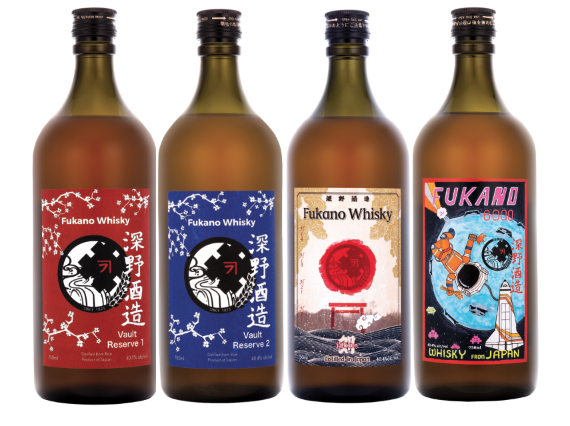

Fukano is a niche product: a 200-year-old shochu distillery in Hitoyoshi, Kumamoto, that started putting rice spirit into oak and exporting it under a whisky label. There is no barley mash bill. The liquid starts as honkaku rice shochu—koji, rice, pot still—and only becomes “whisky” in the legal and marketing sense after barrel time. If you're expecting a standard malt, the rice base might surprise you. This guide explains what you're actually getting.
The distillery has high competition scores. Fukano 10 year received 96 points and a place on the Ultimate Spirits Challenge Top 100 Spirits list in 2020, per retailer and competition copy cited by Caskers. Whisky Advocate also placed it on a “Top 20 Best Whiskies of the Year” list in 2017, again per that product page. In US specialty retail, most Fukano bottles cost $80–$100; the ImpEx Collection 16 year runs higher when you can find it—often $160–$275 on aggregators such as Wine-Searcher.
This guide covers what Fukano whisky is, how it tastes, how each major release differs, and which bottle to buy first. It depends on whether you usually reach for bourbon, Scotch, or shochu.
Sixty-second producer facts
Fukano Shuzo is located in Hitoyoshi City, Kumamoto Prefecture, on the island of Kyushu. The distillery sits inside the rice-growing Hitoyoshi Basin along the Kuma River. Founded in 1823, the house has a long history as a Kuma-jochu (rice shochu) producer.
The wood program was pioneered by Chizuru Fukano, who was among the first in the region to age shochu in barrels. The raw material is 100% rice, both malted and unmalted, distilled in a pot still. Some stock rests in large clay vessels before or alongside the oak program.
The scale is tiny by world standards, with releases often limited to a few casks or a few thousand bottles. ImpEx Beverages handles US distribution, selling through specialty retailers like K&L and the Whisky Shop San Francisco. Most bottlings are near 40–43% ABV.
What Fukano whisky actually is
Fukano’s export whisky begins as genshu (undiluted) honkaku rice shochu: one distillation, koji fermentation, rice as the sole grain. Distillation often happens in stainless steel at a lower proof than typical Scotch new make, because the rice base is already drinkable off the still. After distillation, the spirit goes into oak—new charred American oak, refill bourbon, sherry, wine, Manzanilla, or ex-brandy puncheons depending on the release.
Japanese regulations treat heavily colored, long-aged rice spirit differently from standard clear shochu. Once oak pushes color and character past shochu norms, the product is bottled and sold as whisky abroad and in export markets. The Japanese Bar describes the result as a shochu-and-whisky hybrid that looks and drinks like whisky even though the grain is rice, not malted barley.
Label clarity for buyers: Fukano is distilled, matured, and bottled in Japan as Japanese-made rice whisky. Barley-malt Japanese whisky (the Yamazaki-style category) uses a different grain and flavor set. If you want smoke, peat, or Nikka-style malt structure, shop elsewhere. If you want a sweet, grain-forward pour that still sits on the whisky shelf, Fukano fits. See also the broader Japanese whisky demand story in US specialty retail.
House style: what to expect in the glass
Tasting notes usually mention a few specific flavors. On the nose, reviewers cite crisp fruit, toffee, vanilla, toasted bread, spice, and light coconut (The Whiskey Jug on an NAS new-oak cask). The palate runs warm and silky, sometimes closer to bourbon or well-aged Scottish grain whisky than to young malt. Vault Reserve #1 leans red-fruit and baking spice with a chocolatey finish (Whiskey in my Wedding Ring). The 10 year shifts toward floral citrus, sandalwood, and dried fruit on the palate, with a softer rice-sweet fade on the finish (The Whiskey Jug; Caskers).
Across releases, Fukano often tastes lighter than the proof suggests—aromatic and easy to sip neat even at 40% (The Japanese Bar).
| If you usually drink… | Start with a Fukano that… |
|---|---|
| Bourbon | Has new charred oak or strong vanilla/caramel (many NAS single casks). |
| Scotch | Has age or sherry wood—10 year, Jikan, or Vault Reserve lines. |
| Shochu | Keeps rice and koji sweetness forward (younger NAS, less aggressive new oak). |
Single-cask warning: Two US retail picks of the same NAS recipe (Flask Fine Wines vs K&L) tasted nearly identical on the finish in side-by-side notes from The Whiskey Jug, with small differences on nose and palate. Always read the cask line on the label; Fukano is not a single consistent recipe like a mass-market bourbon.
The lineup: release decoder
Prices below are typical US specialty retail bands as of 2026; exact bottles vary by store and vintage.
| Bottle / line | Role | Typical US price | Buy when… |
|---|---|---|---|
| Fukano NAS / Select / 22·23 Edition | Entry; cask varies by lot | ~$85–$100 | You want a first taste; confirm new oak vs refill on the label. |
| Vault Reserve #1 & #2 | Sweet limited blends (2018 quartet used 3–11 year stocks) | ~$70–$80 | You want a dessert pour; #1 shows praline and brown sugar in trade notes. |
| Fukano 6000 | Artist-label limited (1,200 bottles globally) | ~$79 | You like apple, raisin, vanilla, and toffee (Drinkhacker). |
| Fukano Jikan | Hitoyoshi tribute; sherry thread | ~$79 | You want honey, candied fruit, and gentle spice (1,200 bottles). |
| Fukano 10 year | Flagship age statement; ex-brandy puncheons | ~$80–$100 | You want one “serious” bottle with competition pedigree. |
| Fukano Chizuru | 3,000-bottle collab; refill bourbon, Manzanilla, red wine | ~$80 | You collect labels; expect a quieter nose and wine-influenced finish (Drinkhacker). |
| ImpEx Collection 16 year | Ultra-limited single grain | ~$160–$275 | You already like the house style and want older oak and dried fruit. |
Fukano 10 year: the default “worth it” bottle
Aged 10 years in ex-brandy puncheons at roughly 40–41% ABV, this is the bottle most shops use to tell the Fukano story. Competition copy cites 96/100 at the Ultimate Spirits Challenge and Top 100 Spirits 2020 placement. In the glass, expect warm gold color, floral and citrus aroma, exotic spice, white plum, and a medium finish with marzipan and raisin—per Caskers and independent reviews. For many buyers it is the right answer to “Is Fukano whisky worth the money?” at under $100.
Limited editions (6000, Jikan, Vault, Chizuru)
The 2018 quartet (Vault 1 & 2, 6000, Jikan) blended stocks between 3 and 11 years, with some liquid held in tanks for extended resting before blending (Drinkhacker). 6000 is the sweeter, fruit-forward option; Jikan leans sherry and brown butter. Chizuru honors the retired managing director and splits maturation across three cask types. All are small-batch; when they are gone, they are gone.
Which bottle to buy first: three paths
Path A: first timer
Buy Fukano Select, a current NAS edition, or the 22/23 release if your shop has one. Stay in the $85–$100 band. Before you pay, check whether the label calls out new charred oak (more bourbon-like) or refill wood (softer, more grain and rice character).
Path B: gift or “one bottle” shelf
Buy the 10 year. The age statement, brandy-puncheon maturation, and competition history give you a clear story at the table. It is the bottle most likely to please someone who already drinks Speyside malt or soft bourbon.
Path C: collector
Pursue Vault Reserve, Chizuru, or ImpEx 16 year only after you have tried a core NAS or the 10 year and liked the rice sweetness. These are personality bottles—sherry-heavy, wine-finished, or long-aged—and they punish buyers who wanted peat or heavy oak tannin.
Worth-it verdict
Yes, for the right drinker. At roughly $80–$100, core Fukano releases compete with interesting bourbon and grain Scotch on price, and have a flavor profile many US drinkers have never tried. The 10 year is the strongest value argument because of documented competition scores and a defined maturation story.
Skip it if you want malt smoke, or if you refuse to read cask details on NAS bottles. Fukano rewards curiosity about rice whisky; it will disappoint anyone who treats it as a stand-in for Hakushu.
Fukano vs Ohishi
Both houses sit in the Kyushu rice whisky niche: Japanese families, koji rice bases, oak aging, small exports to the US. The Whiskey Jug has argued this category is more authentically Japanese in production than some imported-blend “Japanese whisky” labels. Ohishi (another keyword on many shopping lists) produces its own rice whiskies with different cask programs and distillery character. Use the same buying rule for both: read the cask line on the label before you buy on country alone. A companion Ohishi guide is a natural follow-up if you want side-by-side bottle picks.
| Feature | Fukano | Ohishi (general) |
|---|---|---|
| Home | Hitoyoshi, Kumamoto (Kuma shochu country) | Kumamoto region (separate distillery) |
| Base spirit | Rice shochu → oak | Rice shochu → oak |
| US importer | ImpEx (primary) | ImpEx and specialty partners |
| Best for | Fruit-toffee oak, 10 year flagship | Own cask-specific profiles; compare label to label |
How to drink Fukano whisky
- Drink it neat or with one large ice cube for NAS and 10 year pours.
- A few drops of water help on new-oak casks if the spirit feels tight on first open.
- Highball works for lighter NAS bottles—tall soda, plenty of ice—if you want a low-proof serve without hiding the rice sweetness entirely.
- Skip peat expectations and heavy Islay pairings.
Where to find it in the US
Look at ImpEx-aligned retailers, Japanese-focused whisky shops, and large independents with Japanese shelves (K&L Wine Merchants in California, Whisky Shop San Francisco, and similar stores have carried Fukano lines). Use Wine-Searcher or your local shop’s search tool rather than assuming supermarket availability. Inventory turns quickly on limited lots.
FAQ
What is Fukano whisky?
Fukano whisky is oak-aged spirit from Fukano Shuzo in Hitoyoshi, Kumamoto, made from 100% rice distilled as honkaku rice shochu and matured in barrels. Releases are small and often single-cask or few-cask bottlings for export.
Is Fukano real Japanese whisky?
Fukano is a Japanese-made whisky-style product from a Japanese distillery. The mash is 100% rice. Expect a sweet, grain-forward profile related to shochu, in a different category from barley-malt Japanese whisky.
What does Fukano whisky taste like?
Most bottles show fruit, toffee, vanilla, and toasted grain, with a warm, silky palate. New oak casks add caramel and spice; sherry-influenced releases add nuts and oxidative notes; the 10 year brings floral citrus and dried fruit.
Which Fukano bottle should I buy first?
Start with Select, NAS, or 22/23 in the $85–$100 range and check the cask type on the label. For one confident gift bottle, choose the 10 year.
Fukano vs Ohishi—what is the difference?
Both are Kyushu rice whiskies. Compare individual cask statements and age lines; neither house maps 1:1 to the other.
How much does Fukano whisky cost in the US?
Core bottles often run $70–$100; the 10 year usually sits in that band. ImpEx 16 year releases have listed from about $160 to $275 depending on store. Buy from specialty retailers.
References
- The Whiskey Jug — Fukano NAS review
- The Whiskey Jug — Fukano 10 Year review
- Drinkhacker — Vault, 6000, Jikan reviews
- Drinkhacker — Chizuru review
- Caskers — Fukano 10 Year product page
- The Japanese Bar — Fukano distillery
- JVS Imports — Fukano Distillery
- Whiskey in my Wedding Ring — Vault Reserve #1
Shoppers comparing bottles often pair this guide with 1792 bourbon review: what Small Batch tastes like and which bottle ….