Ken Grossman Opened the Door Himself
On a Monday morning at Sierra Nevada in Chico, co-founder Ken Grossman greeted us in person—not a receptionist—and spent nearly an hour on craft beer, community, and bikes.
After an on-background talk with the owner of a large U.S. brewery, BevWire looked at why shelf beer still looks cheap—and why he thinks that pricing can hold for about a year before the reset hits.
On a Monday morning at Sierra Nevada in Chico, co-founder Ken Grossman greeted us in person—not a receptionist—and spent nearly an hour on craft beer, community, and bikes.
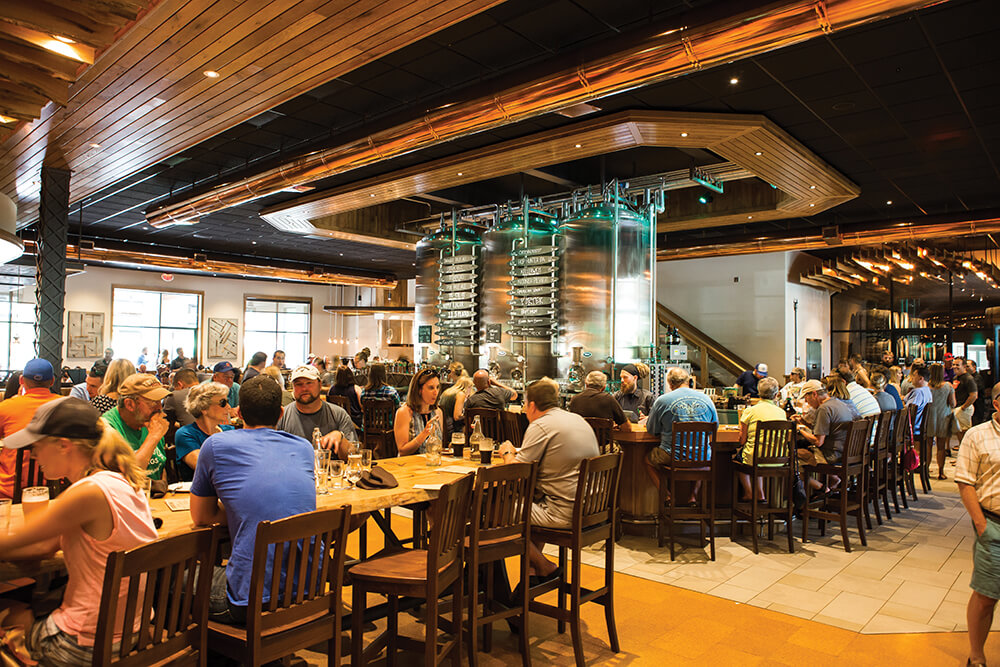
Grant Pauly built 3 Sheeps from a Wigwam sock-factory corner to one of Wisconsin's largest craft breweries. He focused on consistency and community support.
Feldschlösschen fills one in four Swiss glasses, but Quöllfrisch is what people reorder—plus 2026 Swiss Beer Award gold picks mapped to supermarket runs, regional taps, and souvenir bottles.
After an on-background talk with the owner of a large U.S. brewery, BevWire looked at why shelf beer still looks cheap—and why he thinks that pricing can hold for about a year before the reset hits.
A strategic analysis of Elysian Space Dust’s rise to national dominance, focusing on the 19.2oz stovepipe strategy, corporate scaling, and the tension between mass-market efficiency and craft roots.
Range Brewing has grown from a London pub conversation between two high school friends into a multi-venue Brisbane hospitality group defined by a "forever rotating" tap list and sourdough pizza.
Most French white shelves lead with Sancerre. I shop by region on the label—Chablis for oysters, Mâcon when Burgundy costs too much, Alsace when I want spice—and I check the price tag before I grab another Loire bottle.
Most "Italian white" shelves default to Pinot Grigio. I shop by region on the label—Soave for pasta, Vermentino for fish, Gavi for shellfish—and only grab PG when I want cold and neutral on a budget.
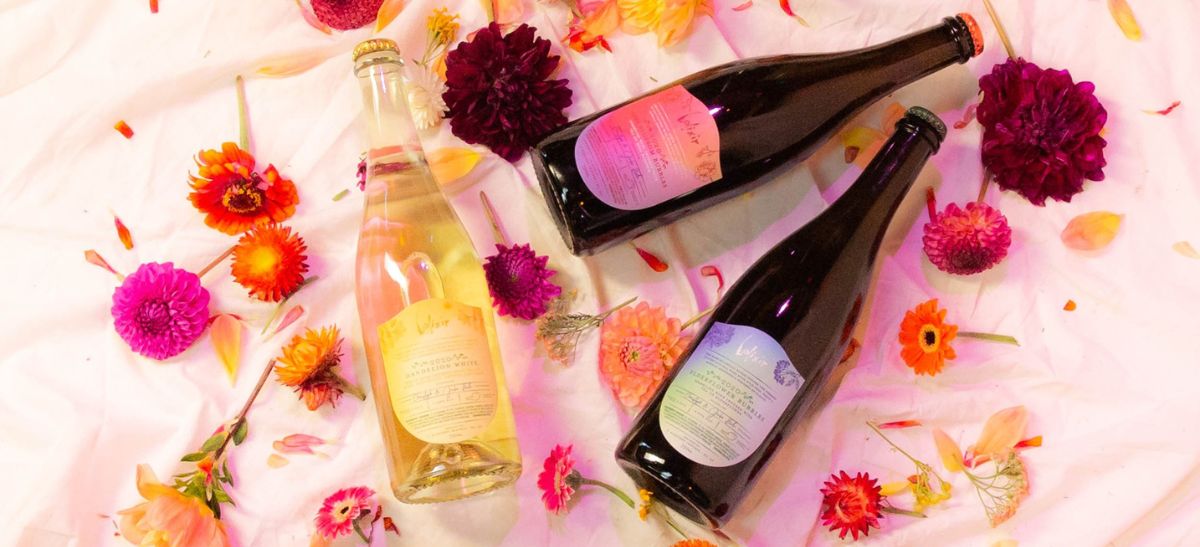
Most white organic wine on US shelves is labeled "made with organic grapes." I match the seal to the night—Frey for no added sulfites, Bonterra or Bousquet near $15, Avaline when the label matters.
Organic wine lists skip the label law that changes what's in your glass. Brands I'd grab by goal—sulfite-free Frey, weeknight Bousquet, Avaline bubbles—and how to read USDA vs EU seals.
Most red wine brand lists mix $12 blends with admired winery names. I match the label to the night—soft Pinot for beginners, Josh or Apothic for pizza, and Catena or Antinori when the bottle has to look serious.
While much of the U.S. wine market stays flat, Sandalo Organic Estates is up nearly 10% in 2026—proof that organic Spanish wine and an indie-focused import book can still win on shelf.
Alfonso is Spanish Brandy de Jerez from Williams & Humbert—big in the Philippines, spotty in US shops. I start with Alfonso I for cocktails; here is the lineup and which bottle fits you.
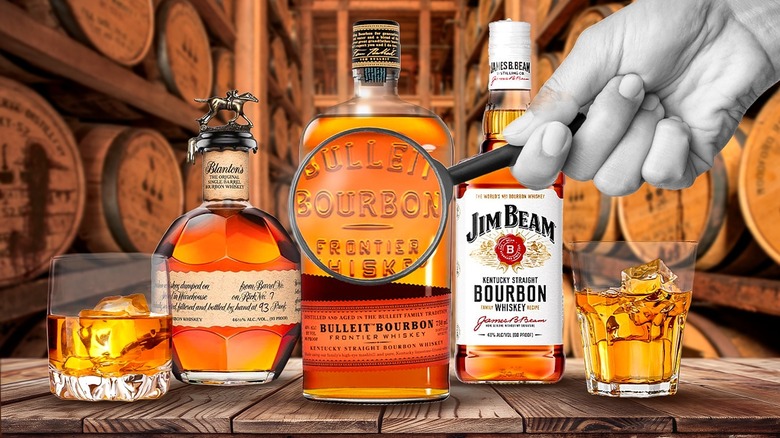
1776 bourbon is James E. Pepper's 100-proof straight bourbon—not Philadelphia Distilling. I cover taste, MGP sourcing, rye vs bourbon in the line, and which bottle I'd grab at $30.
1792 Small Batch is a spicy, NAS Kentucky bourbon around $25–30 from Barton. I explain the taste, the old 8-year label, and which expression in the lineup is worth your shelf space.
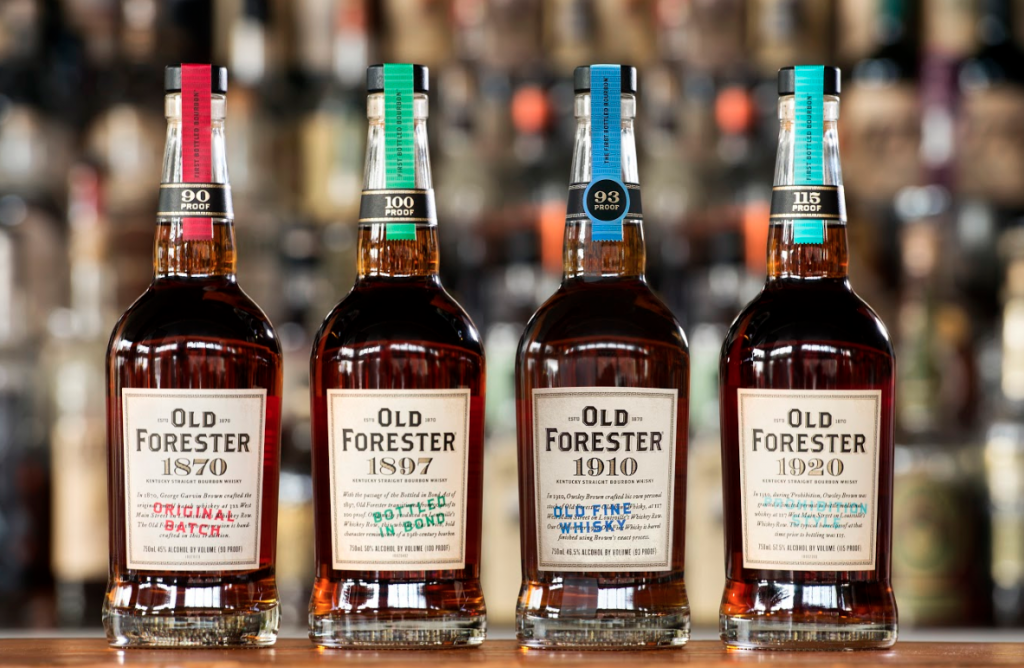
Old Forester is Brown-Forman's founding brand—volume bourbon at the bottom, Whiskey Row premiums at the top, and a Louisville homeplace tying it together. Here is the model in plain terms and what it means when you buy.
Kinky Blue is a 17% liqueur. It's much weaker than a standard 40% spirit. Here is what it tastes like, what I mix it with, and when I skip it.
Perro Verde launched in the US in late 2024 with three small-batch expressions, a fifth-generation Oaxacan palenque partner, and a California-first distribution strategy aimed at luxury sipping—not bar-volume mezcal.
Home brewing sets the bar for living, varied kombucha—but as brands scale for retail and compliance, standardization, cold chain, pasteurization, and concentrate methods reshape what ends up in the bottle, often with little transparency on the label.
Mega Purple is a concentrated grape extract that shapes how many wines look, taste, and feel. Guest author Kate Holden explains what it is, why use is growing, and how awareness helps drinkers choose what they value in the glass.
Bourbon is entering 2026 with less swagger than during the boom years but more discipline—oversupply, softer demand, and tariffs are pushing distillers toward margins, barrel management, and repeat purchases instead of chasing growth at any cost.
The beverage industry in 2026 is no longer just about the perfect pour; it’s about the perfect footprint. As the North American market sees a surge in specialized beverage concepts, owners are increasingly looking at the franchise model as a vehicle for rapid scaling.
Every bottle of wine is a record of what a grapevine did in a given place and season, and most of what you taste in the glass is still traceable to plant chemistry, yeast, and time.
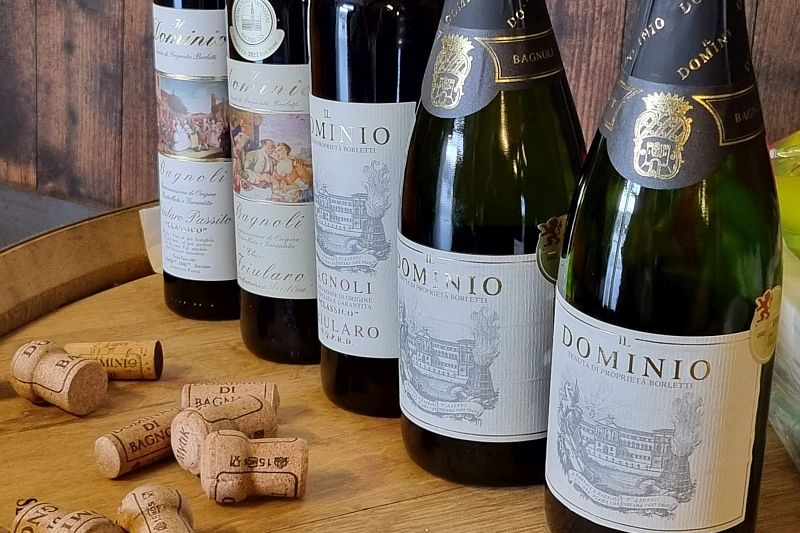
Italy and France both anchor global fine wine, yet they differ sharply in vineyard scale, appellation architecture, and grape diversity. This overview compares how each country fits into world production and how EU quality schemes translate into French AOP and Italian DOC, DOCG, and IGT frameworks.
New label and winery directories on BevWire, plus standout reads on beer’s Great Reset, tariff-era wine substitutions, and a comparative snapshot of spirits brands on social.
First BevWire newsletter edition — Beer30 Lite for small breweries, restaurant wine markups and the sommelier playbook, Buffalo Trace Eagle Rare 30, and a comparative snapshot of spirits brands on social.