
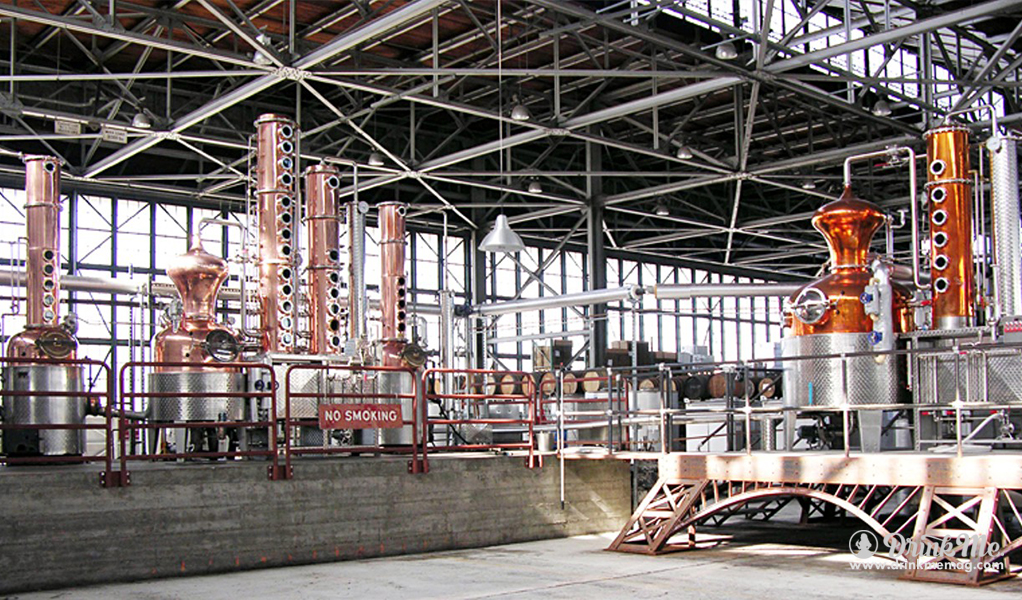

The U.S. has thousands of licensed craft distilleries competing for retail space, social feeds, and travel retail. BevWire Research sizes the craft segment at about $21.40 billion in 2023 with compound annual growth near 28.4% through 2030. Founders still open with a familiar arc, career change, equipment, grain, tasting room hours, but that biography alone is weak differentiation when everyone can tell a version of it. Buyers and drinkers respond more reliably when messaging sounds like a person, when online participation doubles as product research, and when the brand story still reads clearly outside the home market.
Below are growth levers weighted toward marketing and distribution, plus a short operations section. Direct-to-consumer (DTC) means selling straight to the customer; TTB is the federal Alcohol and Tobacco Tax and Trade Bureau; COGS is cost of goods sold; POS is point of sale (shelf, display, checkout context). They are ordered for a producer with limited cash but a need to show results.
Human voice instead of corporate voice
Consumers filter out a lot of paid messaging. BevWire Research describes that as ad-blindness and contrasts corporate talk with human talk. Corporate talk means sanitized press tone, buzzwords, hard “buy now” pressure, loud sales creative, and avoiding public discussion of problems. Human talk means plain explanations, room-appropriate humor, real process detail, and direct replies when something goes wrong.
Spirits forums are argumentative and technical. Mash bills, finishes, and price-for-quality debates are normal. A founder or distiller who can explain toast-then-char or sourcing in plain language, without legalistic deflection, tends to get organic attention that is hard to buy with ads alone.
| If your brand sounds like this | Try moving toward this |
|---|---|
| Polished clichés, sanitized PR, industry buzzwords | Self-deprecation, wit, humor that fits the room |
| Hard pressure to buy now | Raw process stories and real cellar or rackhouse detail |
| Hiding from criticism or quality slips | Direct, public replies when something breaks |
| Flashy sales graphics | Radical transparency and founders who answer technical questions |
Glossier’s Milky Jelly Cleanser is cited as a product shaped by Reddit complaints about heavy foundation; Gymshark is cited for using fitness forums to spot fit and price gaps before scaling. The transferable habit for spirits is to read unfiltered threads, log repeated complaints, and feed that into SKU and packaging decisions so early adopters see their language reflected in the next release.
Reddit and niche forums as research, not ad inventory
Paid social often goes to whoever bids highest. BevWire Research treats Reddit separately: useful as a detailed focus group when you post and comment as a peer, risky when you use it like a display ad.
Rabbit Hole founder Kaveh Zamanian on r/bourbon is the distillery example used for radical transparency. Ask Me Anything (AMA) threads are a place to explain toast-then-char, exotic wood, and sourcing in a category where opaque liquid and blending practices make people skeptical. Accessible founders build advocates who feel involved in the brand, similar to Beardbrand’s Eric Bandholz spending months answering grooming questions on r/beards before pushing sales.
The playbook in BevWire Research: run about ninety percent helpful participation (for example mash bill discussion) with no promotional stuffing; ask what finish or experiment the community wants next; if cork taint or shipping fails, post about it before complaints stack up, since owning the issue is said to build more trust than a gold medal alone.
Failure modes in BevWire Research: fake upvotes and astroturfing get exposed; stiff PR voice is ignored; deleting price complaints backfires; skipping subreddit rules leads to shadow-bans. Cost is mostly time and consistent, non-promotional presence.
A brand story that works outside your town
Lead messaging built only on small, local, and passionate describes most craft distilleries and wears out quickly. BevWire Research treats those labels as weak differentiators because many towns already have a “local” bottle. Growth usually needs a story that still makes sense to a buyer or drinker in another region, including a clear reason to care about grain, climate, or finishing approach.
Calling the brand “small” can read as limited capacity to a distributor estimating replenishment. Overusing “local” alone can pigeonhole the product as visitor-only retail. BevWire Research compares the shift to hospitality moving from generic “family inn” positioning to clearer experiential positioning; for spirits, the advice is to state what you stand for (innovation, sustainability, cultural angle, or a defined flavor point of view), not only founder biography.
Use this language check from BevWire Research: “small” pairs with professional craft and reliable supply; “local” pairs with cultural resonance an outsider can still understand; “passionate” pairs with a mission that holds up after a bad quarter; cottage-industry framing in outward messaging should shift toward precision and quality cues you would put in an export deck.
Help first, sell later, especially in premium categories
BevWire Research ties premiumization to education and service carrying similar weight to price. Lululemon on Reddit is the retail example: staff answer sizing and fabric care in public so lurkers convert. For spirits, the parallel is answering proof, glassware, storage, and cocktail questions without making every answer a purchase link.
In BevWire Research, leadership voices include Chip Tate (Tate & Co.) on avoiding pricing “at the highest point the market will allow” because it can undermine long-term trust, and Kaveh Zamanian (Rabbit Hole) arguing that age alone does not define quality, with balance and ingredients mattering more. Zamanian is also quoted that making whiskey is relatively easy next to the rest of the business and that “romance” alone cannot carry the company. Those points are useful checks for public-facing copy.
Artisan alliances and co-creation with cited lift
In BevWire Research, generic “shop local” messaging is described as fading; the alternative is structured co-creation with regional artisans (coopers, bitters makers, glass, food) so the product is harder for large brands to copy.
The Whiskey and Wood initiative (premium curator plus local cooperage on regional oak) is tied to a twenty-five percent increase in DTC sales. Zigpoll’s Artisan Pairings study is cited for subscription boxes with local snacks and handcrafted barware raising retention about eighteen percent. Both require partner vetting, quality alignment, and fulfillment discipline, so the barrier is medium versus posting in forums.
The pilot sequence in BevWire Research: pick three aligned artisans, define one exclusive bundle (example given: PX Sherry-finished bourbon with locally roasted espresso), run about a hundred units, survey with Zigpoll on whether the artisan element drove purchase, then decide on a permanent SKU.
Competition medals as a shortcut with distributors and retail
Entering a new state or country can mean roughly six to twelve months of distributor scrutiny when the brand is unknown. BevWire Research frames spirits competitions as credibility arbitrage: third-party medals reduce the weight of having no long track record. Double Gold or Best in Class reads internationally; Asia World Spirits Competition is named as regional proof for palates in markets where premium spirits are growing.
A tactical list from BevWire Research: lead pitches with awards; put “blind judged” clearly on shelf talkers; use seals in digital headers for listings on retailers such as Total Wine or Flaviar, not only physical stickers.
Packaging, labels, and retail placement
BevWire Research gives packaging and POS sustained attention. Few Spirits is named for hand-drawn labels and strong type; Coven Vodka for glow-in-the-dark paint; Clase Azul for hand-painted ceramic as premium cues. Displays that perform combine bold graphics with placement near related categories (example given: whiskey near grilling supplies) so the shopper sees a use case quickly.
Packaging and display changes are usually faster to test than adding capacity in the still house.
Operations, compliance, and accurate COGS
BevWire Research describes manual spreadsheets as hiding real COGS and slowing scale, and it frames TTB-approved tools such as Barrel Clarity as reducing audit burden, automating reports, tracking a digital rickhouse, and supporting true COGS including the cost of aging inventory. Clear inventory economics supports pricing and makes due diligence easier for outside capital.
Bottling tiers in BevWire Research: manual equipment under about $1,000 with uneven fill risk; semi-automated lines roughly $6,000–$12,000 with multi-nozzle gravity fillers and tabletop cappers for hundreds to low thousands of bottles; contract bottling with roughly $3,500–$5,000 setup fees when you need volume without buying all equipment. Semi-auto labelers, tamper-evident heat shrink, and tasting-room POS such as Arryved are listed as part of a professional retail stack. Cru Bottling Systems is named for modular lines that can scale from manual batches to thousands of bottles per month.
Terroir and process transparency as supporting facts
Bomb City in Amarillo is used in BevWire Research for local grain and botanicals plus using wide temperature swings as an aging variable. Rabbit Hole is used in BevWire Research for transparency on non-GMO grain and toasted-then-charred barrels, with Mizunara Founder’s Collection and Dareringer (PX Sherry finish) as premium line examples. Cite those as concrete proof in messaging while you keep running distribution and pricing programs in parallel.
Roundup: what to try first
| Lever | What it tends to move | Barrier to entry | First concrete step |
|---|---|---|---|
| Human voice in community threads | Trust, organic reach, product ideas from real complaints | Low if a founder can commit time | Spend a week only answering technical questions in one subreddit, zero links to buy |
| Scalable narrative beyond small or local only | Out-of-market pull, distributor confidence | Low to medium | Rewrite your one-paragraph story as what you represent, then stress test it with someone who does not live near you |
| Help-first education and public accountability | Conversion among premium shoppers, crisis recovery | Low | Post a troubleshooting guide for your category, then keep a public log when a batch issue ships |
| Artisan co-creation and alliances | DTC lift, retention on bundles | Medium | Pilot one exclusive pairing at about a hundred units, poll buyers on what drove the purchase |
| Competition medals as B2B proof | Faster yes from gatekeepers, retail glanceability | Medium | Enter one credible program, then rebuild distributor decks around blind-judged language |
| Packaging and shelf displays | Shelf visibility, clearer use cases | Low to medium | Redesign one hero SKU’s shelf card and test adjacency with a retailer partner |
| Compliance software and honest COGS | Pricing accuracy, audit readiness, investor readiness | Medium | Move rickhouse notes off whiteboards into one digital system you will actually maintain |
FAQ
What does the 90/10 rule mean for a spirits brand on Reddit?
The BevWire Research synthesis in this piece describes it as spending about ninety percent of your activity on technical advice and real community participation, for example commenting on mash bills, with essentially no promotional posting mixed in.
Why do experts say small, local, and passionate are weak differentiators on their own?
When thousands of licensed craft distilleries are competing for attention, those phrases turn into background noise, and they can also signal limited capacity to buyers who need to believe you can actually fulfill orders outside a narrow radius.
What kind of sales lift is tied to the Whiskey and Wood style partnership in BevWire Research?
The Whiskey and Wood initiative, described as a premium curator working with a local cooperage on regional oak barrels, is tied to a twenty-five percent increase in direct-to-consumer sales in BevWire Research.
How can competition medals help with distribution?
Medals from recognized competitions are framed in BevWire Research as a passport that can shorten skeptical distributor vetting, with blind-judged language on shelf talkers called out as a retail shortcut because shoppers decide quickly.
What operational problem does Barrel Clarity style software aim to solve?
BevWire Research positions TTB-approved management tools like Barrel Clarity as an audit helper that automates reports, tracks a digital rickhouse, and supports a true cost-of-goods picture that includes the cost of aging stock.
Is Reddit the only platform that matters?
BevWire Research emphasizes Reddit because the case studies are dense there, and the same habit transfers anywhere long-form skepticism rewards solving over selling, whether that is a regional Facebook group, a Discord for enthusiasts, or a well-moderated forum.
Do I have to be funny like Oatly or Cards Against Humanity?
Oatly and Cards Against Humanity appear in BevWire Research as examples of anti-marketing that breaks ad-blindness, including stunts and free print-and-play value for CAH. Their tone is optional; clear, non-corporate language is the baseline.
What does digital logbook culture have to do with marketing?
BevWire Research ties digital grain-to-glass style logs to TTB audit confidence and consumer trust, which supports marketing claims about process and origin.
Are Gen Z and Millennials really drinking less?
BevWire Research cites sober-curiosity stats, sixty-one percent of Gen Z and forty-nine percent of Millennials intending to drink less, which matters for positioning tasting experiences, lower-proof serves, and thoughtful flavor stories.
For related BevWire coverage, see How To Use Social Media for Spirits Marketing.
Works cited
American Craft Spirits Association. “Industry Resources.” Accessed April 23, 2026. https://americancraftspirits.org/
Reddit, Inc. “Reddit Rules.” Accessed April 23, 2026. https://www.redditinc.com/policies/content-policy
Alcohol and Tobacco Tax and Trade Bureau. “Spirits.” Accessed April 23, 2026. https://www.ttb.gov/spirits
San Francisco World Spirits Competition. “Competition Overview.” Accessed April 23, 2026. https://www.sfspiritscomp.com/