
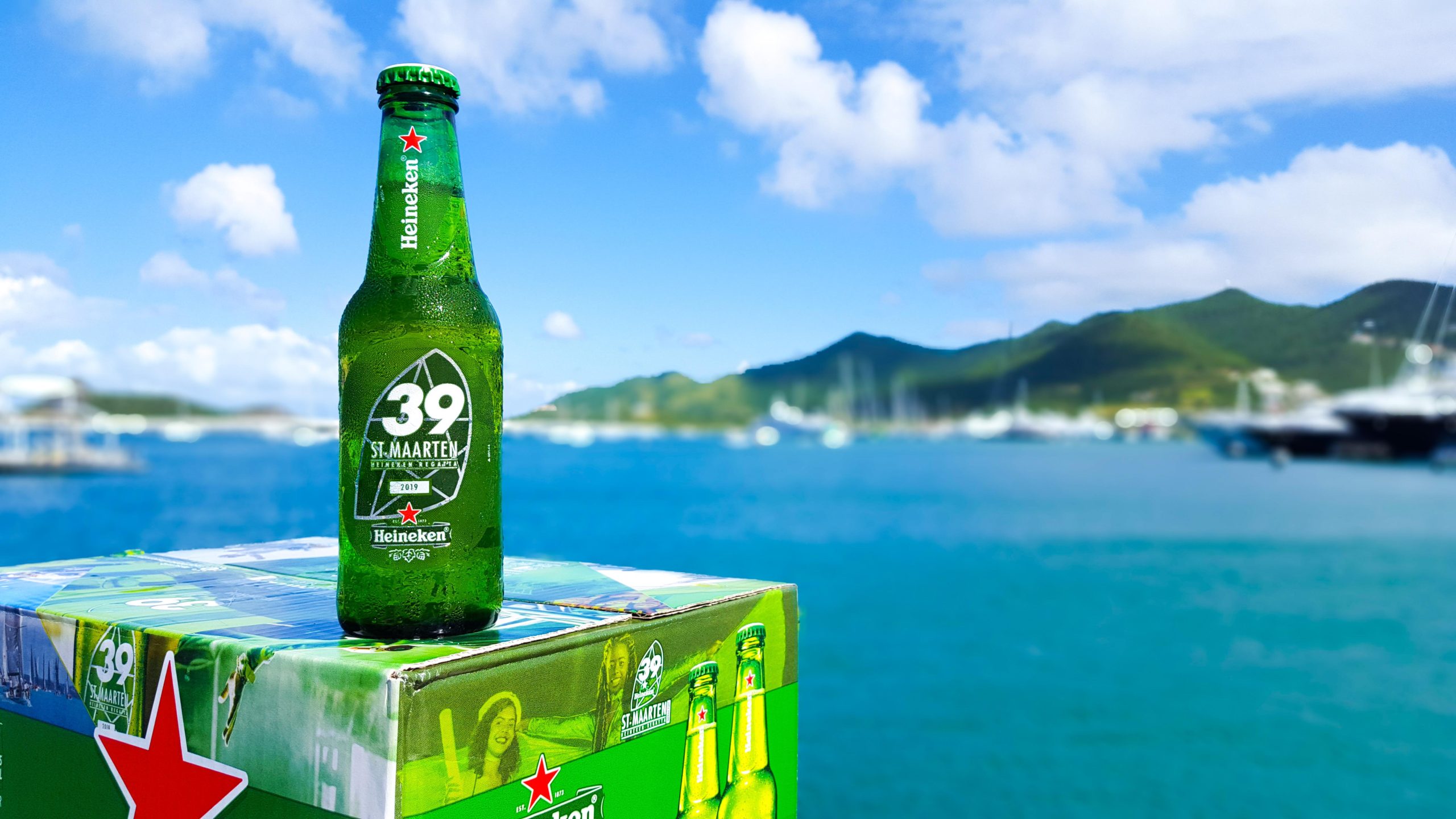

I stood in the import aisle and picked out green bottles because they looked like a vacation. I liked that sulfurous snap in European lagers. I thought I was tasting the "old world" or some brewing tradition that American lagers lacked. I assumed the smell was a feature of the style. I was wrong. I was tasting a chemical defect caused by the grocery store lights.
Brewers call this "lightstruck" beer. Most of us just call it skunked. The smell comes from a chemical reaction that happens when light hits the liquid inside the bottle. If you have ever opened a fresh bottle of a famous Dutch or German lager and noticed a skunky aroma immediately, you are smelling the aftermath of a few minutes under a fluorescent bulb.
The science of the stink
Hops are the source of the trouble. When brewers boil hops, they release bittering compounds called isohumulones. These give beer its bite. These compounds are also incredibly sensitive to light. When photons from the sun or a bright retail bulb hit the beer, they break those hop compounds apart.
The broken pieces then look for something to bond with. They find sulfur-containing proteins in the beer and form a new compound: 3-methyl-2-butene-1-thiol. Brewers call it MBT. It is a thiol, a class of sulfur-based chemicals known for their pungent odors. MBT is the same chemical that makes a skunk's spray smell so aggressive. Humans detect this smell in tiny amounts. We can pick it up at parts-per-trillion. Even a tiny bit of light exposure creates enough MBT to change the flavor of the whole bottle.
This reaction happens fast. I have seen tests where a clear bottle of beer skunks in less than ten minutes of direct sunlight. In a grocery store cooler, where the bottles sit inches away from bright lights for days, the damage is almost guaranteed. The light from the cooler doors is constant, and the glass is thin.
Why green glass fails
The color of the bottle is the only line of defense. Brown glass is the industry standard for a reason. It blocks the specific blue and ultraviolet wavelengths of light that trigger the MBT reaction. It works like a pair of high-quality sunglasses for your beer.
Green glass is different. It looks premium, but it is a poor filter. It lets a significant amount of the harmful light pass through. Clear glass is even worse. It provides zero protection. When a brewery puts a hoppy beer in a green or clear bottle, they are inviting the light to spoil the product.
The history of the green bottle is a story of necessity. During World War II, there was a shortage of brown glass. Many European brewers switched to green glass because it was available. After the war, green glass became a symbol of European imports. It looked different from the brown bottles used by American mass-market brewers. It became a mark of status.
Branding keeps the green bottles on the shelf today. For several major European brewers, the green bottle is their identity. They have spent decades training consumers to look for that specific color. If they switched to brown glass or cans, they would lose the visual cue that says "premium import" to the average shopper. They choose the look of the bottle over the stability of the beer.
The lime wedge workaround
We see this most clearly with brands that use clear glass. Mexican lagers like Corona are famous for being served with a lime wedge. While there are many stories about why the lime is there—to keep flies away or to clean the rim—the most practical reason is to mask the skunking. Clear glass offers no protection, so these beers are almost always lightstruck by the time they reach your table. The citrus and acid of the lime cover up the sulfur note.
Some breweries have found a way to keep the clear bottle without the smell. They use modified hop extracts that are chemically treated to be light-stable. These extracts do not have the specific pieces that break off to form MBT. This is why some clear-bottle lagers do not always smell like a skunk. But for many traditional green-bottle brands, the skunking is an accepted part of the retail experience.
The taste trap
We learned to like the smell. Because so many famous imports have been skunked on retail shelves for so long, generations of drinkers grew up thinking that skunkiness is how the beer should taste. We associate that sulfur note with the "import taste." I have heard people describe it as "skunky but in a good way."
This is a problem for the current "Lager Renaissance." As more craft brewers pivot to making clean, technical pilsners and lagers, they are fighting against a consumer base that thinks a "real" import should smell like a skunk. A perfectly executed, light-stable lager can taste "wrong" to someone who expects that sulfur hit.
How to protect your beer
I have changed how I shop. I look for the bottles at the very back of the shelf, where the light hasn't reached them. I prefer cans or brown bottles for anything with hops. If I do buy a green bottle, I check the packaging date and hope it hasn't spent too much time under the cooler lights.
At home, the rules are simple. Keep your beer in the dark. If you have a glass-front fridge, keep your green bottles in the back or in their cardboard carriers. Even a few minutes on a sunny patio table can start the reaction. I've started telling friends to smell the beer as soon as they pop the cap. If you get that hit of sulfur, the light got to it. The supply chain failed the beer; the brewery isn't at fault. We shouldn't have to settle for light-damaged beer just because the bottle looks nice on the table. Fresh beer tastes a lot better than a skunk's defense spray.
For related BevWire coverage, see What Drinkers Notice First on Beer Packaging, Most Important to Least.