
Evening wine and what your sleep stages are doing
Plenty of people pour a little wine after dinner because it pairs with food, marks the end of the workday, or simply tastes good, and there is nothing wrong with liking that small ritual. The part that surprises people is how often they still feel foggy after what felt like enough hours in bed, and that disconnect usually comes from how sleep stages unfold overnight rather than from a personal failure to try hard enough at bedtime.
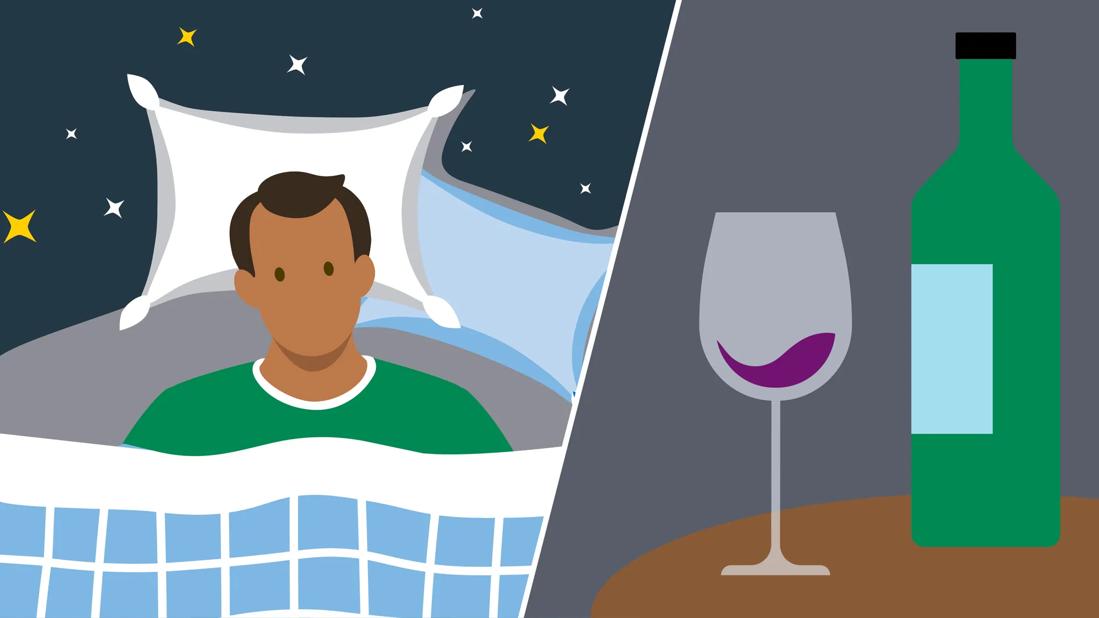
Sleep is not one flat state. You cycle through non rapid eye movement stages and then into REM sleep, which is the stage most tied to vivid dreaming and to processes like emotional regulation and memory consolidation that researchers care about when they talk about restorative sleep. Summaries aimed at the public, including medically reviewed pages from the Sleep Foundation, describe how going to bed with alcohol on board can shift those cycles so you get more of some deep NREM stages early on and relatively less REM at first, then more of the lightest stage later in the night with more awakenings once alcohol levels drop. Review chapters aimed at clinicians, such as the Handbook of Clinical Neurology survey on alcohol and the sleeping brain, cover the same broad theme at more technical depth.
The heavy feeling on the couch is real, but it is a weak signal for how the middle of the night will go. When alcohol is still in the system at lights out, those same summaries still describe early sleep that can look sedated on a chart while later cycles turn lighter and more broken, which is a common reason morning energy does not line up with how quickly you fell asleep.
Why the second half of the night feels rougher
Your liver clears ethanol at a rough ballpark of about one standard drink per hour, though food, body size, medications, and genetics all move that number. If you still have meaningful alcohol in circulation at lights out, the first sleep cycles can look sedated on a wrist tracker or a lab chart. Later, when concentration falls, sleep tends to fragment, which is the pattern behind waking thirsty, staring at the ceiling, or noticing every sound in the house.
Alcohol also relaxes muscle tone in the throat and can worsen snoring or breathing pauses for people who already snore or have sleep apnea, which is another reason a quiet evening can still turn into a noisy or restless night for you or a partner.
A short list for sleep when you still like wine
For the market frame behind the bottle picks, see The $50 Sancerre is Dead: How 2026’s Trade Wars Just Rewrote Your W….
Plan the last drink several hours before lights out when you can. Popular sleep education sites often suggest stopping alcohol three to four hours before bed when sleep quality is the goal. If you eat late or pour heavy, you may want an even longer buffer because the same wine will sit in circulation longer on an empty stomach or after a second glass.
Keep the pour honest. A “glass” in studies is often closer to five ounces than to the stemware fill you get at a friend’s house party. If you are troubleshooting morning energy, measure once at home so you know what one drink actually looks like in your usual glass.
Pair wine with food when you are drinking late. Fat and protein slow absorption a bit compared with drinking right after a long gap without eating, which is a practical kitchen move even though it does not erase the sleep architecture issues.
Dial back hidden second drinks. Fortified wine, high alcohol reds, or cocktails after wine stack ethanol without feeling like a binge, and they extend the window where your brain is still processing alcohol after you have brushed your teeth.
Hydrate on purpose. Alcohol is a diuretic. A glass of water with dinner and another before bed does not fix REM timing, but it can take the edge off dehydration headaches that people blame on wine alone.
Treat caffeine as part of the same week. An afternoon espresso plus evening wine is a common pairing, and both chemicals leave traces that compete with how tired you feel at bedtime and how steady sleep is overnight.
Cool, dark, boring bedroom beats a nightcap for falling asleep. If the real goal is faster sleep onset, a wind down routine without a pour, or with an earlier pour, lines up better with what sleep hygiene handbooks recommend than stacking sedatives on top of each other.
Flag snoring, choking, or morning headaches for a clinician. If a partner says you stop breathing, or you wake gasping, alcohol may be unmasking sleep apnea that deserves a proper evaluation rather than another glass to knock you out.
Disclaimer
This is general education from a wine trade perspective, not a sleep study or a prescription. If you depend on alcohol to fall asleep most nights, or you worry about how much you drink, a primary care clinician or sleep specialist is the right place to ask about next steps.
Works cited
- Sleep Foundation, “Alcohol and Sleep” (medically reviewed overview of sedation, sleep fragmentation, REM changes, apnea interaction, and timing guidance): https://www.sleepfoundation.org/nutrition/alcohol-and-sleep
- Colrain IM, Nicholas CL, Baker FC. Alcohol and the sleeping brain. Handb Clin Neurol. 2014;125:415-431. doi:10.1016/B978-0-444-62619-6.00024-0