
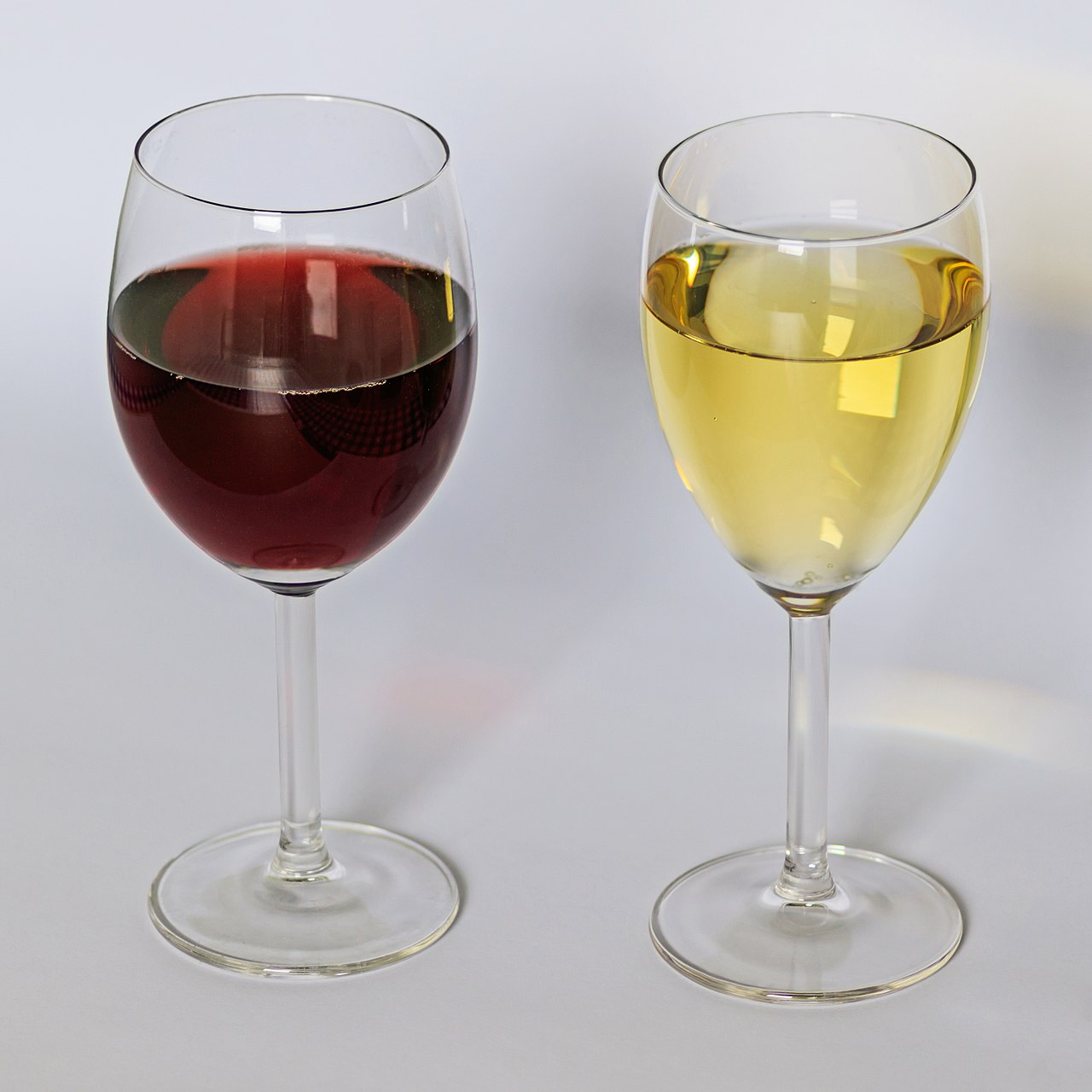

Ice-cold whites straight from the refrigerator and reds left on the counter while the kitchen heats up are familiar rituals, and Wine Spectator still describes the trade-off in plain terms: colder liquid muffles aroma while sharpening acidity and tannin, and warmer liquid pushes alcohol forward until the finish feels loose and hot. Most of the fix is noticing how far a typical thermostat or icebox sits from the ladders Wine Enthusiast, Decanter, and Jancis Robinson keep printing for consumers.
“Room temperature” red assumed cooler indoor air than many American houses run today. Decanter sketches that shift with rough averages such as historical UK household warmth near 54°F versus warmer modern interiors, alongside US Department of Energy thermostat guidance around 68°F for heating efficiency. Wine Enthusiast recommends roughly 60–65°F for full-bodied reds and warns that holding big reds near 70°F lets alcohol dominate flavor. Jancis Robinson writes that wine climbing past about 68°F loses precision and slides toward what she calls a soupy impression, and she flags overheated reds in casual restaurants as a repeated fault.
The fifteen-degree rule is BevWire’s shorthand, not a term from enology class. Published bands for everyday reds often land about ten to fifteen Fahrenheit degrees below a lazy seventy-degree countertop, and many whites behave closer to guidebook language after they warm roughly that far above a refrigerator shelf kept cold for food safety. The FDA tells households to hold refrigerators at 40°F or below, while Wine Enthusiast cites light dry whites around the mid-forties to mid-fifties depending on style and pour temperature. Move the bottle a visible step on the thermometer, taste, then adjust rather than chasing a single sacred digit.
Wine Enthusiast clusters sparkling wine near 41–45°F for most bottles and 45–50°F for richer vintage styles, rosé near 48–53°F, full-bodied whites near 50–55°F, light- through medium-bodied reds near 54–60°F, and structured reds near 60–65°F. Gamay-style reds tolerate more chill than tannic young Cabernet, which Jancis Robinson says turns unpleasantly stern straight from the refrigerator; Decanter mentions a ten- to twenty-minute fridge or ice-bucket rescue when service ran hot. Starting near 72°F, Wine Enthusiast suggests about ninety minutes of fridge time for many whites and roughly twenty-five minutes for big reds that only need a slight chill, with ice water when speed matters.
A basic bottle thermometer is enough hardware for most hosts. Wine Enthusiast also recommends ice mixed with water for faster chilling and pouring on the colder side when glasses will linger, because wine gains heat in the glass faster than conversations slow down.
FAQ
What temperature should red wine be served at?
Decanter groups light-bodied reds around 54–56°F, medium-bodied near 57–61°F, and full-bodied near 61–64°F. Wine Enthusiast suggests about 54–60°F for light- to medium-bodied reds and 60–65°F for full-bodied reds.
Why does white wine straight from the fridge taste quiet or one-note?
Wine Spectator notes cold service mutes aroma and flavor while emphasizing phenolics and acidity. Jancis Robinson says fuller whites served much under 50°F waste what you paid for in perfume, and Wine Enthusiast recommends roughly 50–55°F for full-bodied whites.
What does room temperature mean for red wine?
Decanter ties the phrase to cooler historic interiors than modern heated homes, citing approximate UK averages near 54°F long ago versus warmer norms today and US thermostat guidance around 68°F, often at or above common red serving bands.
Is the fifteen-degree rule an official wine science law?
No. BevWire uses it only as a mnemonic for how far everyday pours drift from published Fahrenheit bands. Grape style, glass warmth, and room air beat any one magic number.
How long should I chill or warm a bottle before serving?
Wine Enthusiast times pours from about a 72°F starting point, including roughly ninety minutes in the fridge for many whites and shorter chills for reds. Decanter suggests ten to twenty minutes in the fridge or ice bucket when a red has gotten too warm.
Shoppers comparing bottles often pair this guide with What Is the Best Wine for Beginners?.
Works cited
- Cover image: A.Savin, “Red and white wine 12-2015” (CC BY-SA 3.0). Direct JPEG: https://upload.wikimedia.org/wikipedia/commons/thumb/3/3c/Red_and_white_wine_12-2015.jpg/1280px-Red_and_white_wine_12-2015.jpg
- Wine Spectator, “Serving Temperature” (wine served too cold versus too warm): https://www.winespectator.com/articles/serving-temperature-11200
- Wine Enthusiast, Dakota Kim, “From Temperatures to Glassware, Here’s a Cheat Sheet to Serving Wine” (style bands in °F, timing from ~72°F, ~70°F red misconception, ice-water chilling): https://www.wineenthusiast.com/basics/how-to-serve/your-cheat-sheet-to-serving-wine/
- Decanter, Clive Pursehouse, “What’s the perfect serving temperature for red wine?” (°F/°C bands, “room temperature” context, emergency chilling): https://www.decanter.com/learn/red-wine-serving-temperature-420885
- Jancis Robinson, “Wine – feeling the heat” (~68°F precision loss, restaurant warm-red fault, aromatic whites ~45–50°F, fuller whites and deep chill, chilling lighter reds, stern Cabernet when too cold): https://www.jancisrobinson.com/articles/wine-feeling-heat
- U.S. Food and Drug Administration, “Are You Storing Food Safely?” (refrigerators at 40°F or below): https://www.fda.gov/consumers/consumer-updates/are-you-storing-food-safely
