
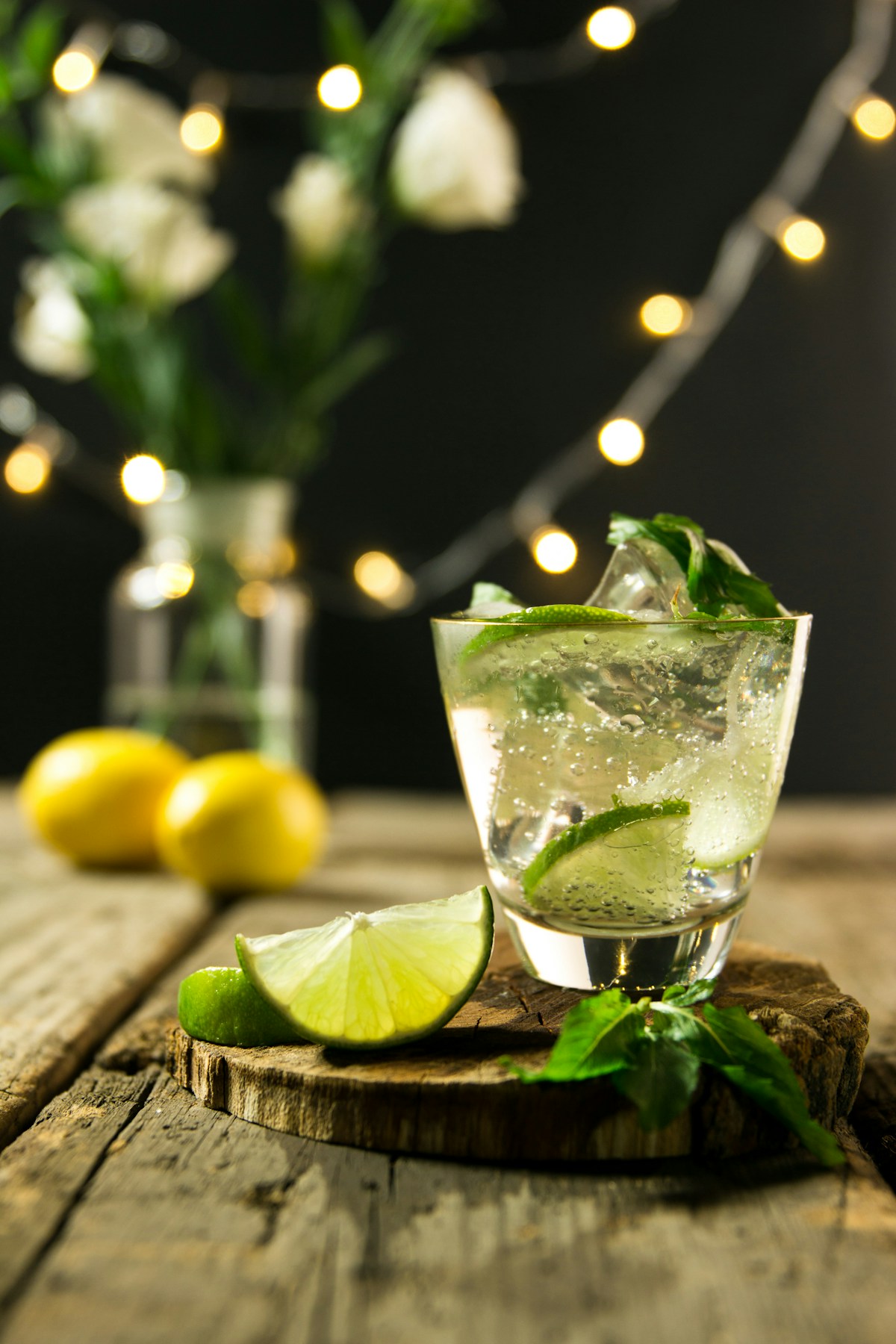

Pisco is a South American grape brandy produced under national regulations in Peru and Chile. In the glass it is usually clear (not barrel-aged like many Cognacs), grape-forward, and bottled at roughly 38–48% ABV depending on the product and market. You will see it on back bars because it anchors several bright, citrusy cocktails, especially the Pisco Sour.
This is not a distillation manual: if you are curious how it is made in the cellar, think fermented grape juice or wine → distillation → resting in neutral vessels (rules differ by country). What matters for drinkers is how it behaves in a mixed drink and when to pour it neat.
What pisco tastes like (in plain language)
Expect grape aroma first—floral, muscat, or more neutral “vinous” notes depending on variety and blend. Compared with vodka, pisco tastes like something; compared with aged brandy, it is usually lighter in color and without oak tannin unless a producer explicitly markets an atypical wood-aged line (uncommon in classic definitions). Heat level tracks with proof and quality; chilling or dilution tames ethanol on cheaper bottles.
Quick style snapshot (label vocabulary)
| Term (often Peruvian) | Plain-English idea |
|---|---|
| Puro | Made from a single permitted grape variety. |
| Acholado | A blend of varieties in one bottle. |
| Mosto Verde | Distilled from partially fermented must; often rounder or richer. |
Chilean labels use their own categories and grape lists; treat the table as a decoder, not a legal textbook.
How to drink pisco (practical serves)
1. Pisco Sour (the flagship)
Shake pisco with fresh citrus (lime is common in many bars; the IBA spec lists lemon), simple syrup, and egg white for texture; finish with a few drops of Amargo-style bitters (often Angostura) on the foam. If you skip egg white, you still have a valid sour—just call it honest home mixing, not a competition plate.
2. Chilcano (easy highball)
Pisco, lime, ginger ale or ginger beer, ice. It is hard to mess up and a good way to learn a bottle’s aroma without committing to a full sour.
3. Neat or lightly chilled
Pour a small measure; if the nose is closed, try 5–10 minutes in the fridge or one large cube. Add a teaspoon of water if it reads “hot” rather than fruity.
4. Pisco Punch (when you are entertaining)
Historic recipes vary; the family is pisco + citrus + sweet + sometimes tea or spice. Batch carefully—easy to overpour in punch format.
Two rulebooks (why your sour “moves”)
Wikipedia’s summary of Peruvian practice notes that much of that pisco is not diluted after distillation and can reach the bottle at distillation strength—so labeled proof swings more than it might on spirits routinely cut to a narrow ABV before bottling. The IBA “Pisco Sour,” meanwhile, fixes only 60 ml pisco / 30 ml citrus / 20 ml syrup, egg white, and Amargo-style bitters on the foam (IBA listing). Neither document states the joint implication: the same milliliters behave differently when your bottle sits at the upper end of legal ABV or carries loud Muscat aromatics versus a quieter blend—both read drier or hotter at identical specs. Treat the IBA line as a portable baseline, then nudge syrup or dilution first for heat, acid or a different style for flatness—before you abandon the template.
Buying one bottle
- For sours: an Acholado or a neutral-leaning Puro is a flexible first pick.
- For aromatic sipping: look for Moscatel-forward wording on the label.
- For mixing on a budget: prioritize fresh citrus and clean ice; those two upgrades hide more sins than a rare single-varietal geek bottle.
FAQ
Is pisco the same as grappa?
Not exactly. Both are grape spirits, but grappa is typically made from pomace (skins, seeds, stems) after wine pressing, while pisco is generally distilled from wine or grape must within strict geographic and production rules in Peru and Chile. Flavor profiles and labeling law diverge from there.
Can you sip pisco neat?
Yes. Many aromatic styles are pleasant lightly chilled or over a single large ice cube, similar to how people taste unaged eaux-de-vie. Higher-proof or very dry bottlings can feel hot neat, so a small splash of water is a fair tasting move.
Peru versus Chile—does it matter for cocktails?
For home mixing, choose a bottle you like and build classic specs around it. Purists and producers debate origin and style rules, but a balanced Pisco Sour works with well-made pisco from either country if you adjust sweetness and dilution to taste.
What is Mosto Verde pisco?
It refers to pisco distilled from grape must that has not fully fermented to dryness, often yielding a rounder, sometimes richer character than fully fermented bases. It is one recognized style category in Peruvian classification; Chile has its own style vocabulary—check the label.
Do I need special bitters for a Pisco Sour?
Amargo-style bitters on the foam—often Angostura—is the usual aromatic garnish. The drink’s backbone is fresh citrus (lime at home is common; the IBA lists lemon), simple syrup, egg white (optional but traditional), and pisco; bitters are garnish as much as flavor driver.
Shoppers comparing bottles often pair this guide with 1792 bourbon review: what Small Batch tastes like and which bottle ….
Works cited
- Wikipedia contributors, “Pisco” (grape spirit overview, styles, Peru/Chile context): https://en.wikipedia.org/wiki/Pisco
- Thrillist, “What Is Pisco? Everything You Need to Know About Pisco” (introductory consumer guide): https://www.thrillist.com/spirits/pisco/pisco-101
- International Bartenders Association, “Pisco Sour” (Contemporary Classics spec): https://iba-world.com/cocktails/pisco-sour/
- INDECOPI (Peru), “Reglamento de la Denominación de Origen Pisco” (publication PDF on gob.pe): https://www.gob.pe/institucion/indecopi/informes-publicaciones/5805882-reglamento-de-la-denominacion-de-origen-pisco
- PROMPERÚ / Peru travel portal, “Pisco: Spirit of Peru” (promotional overview): http://www.peru.info/en-us/piscospiritofperu