
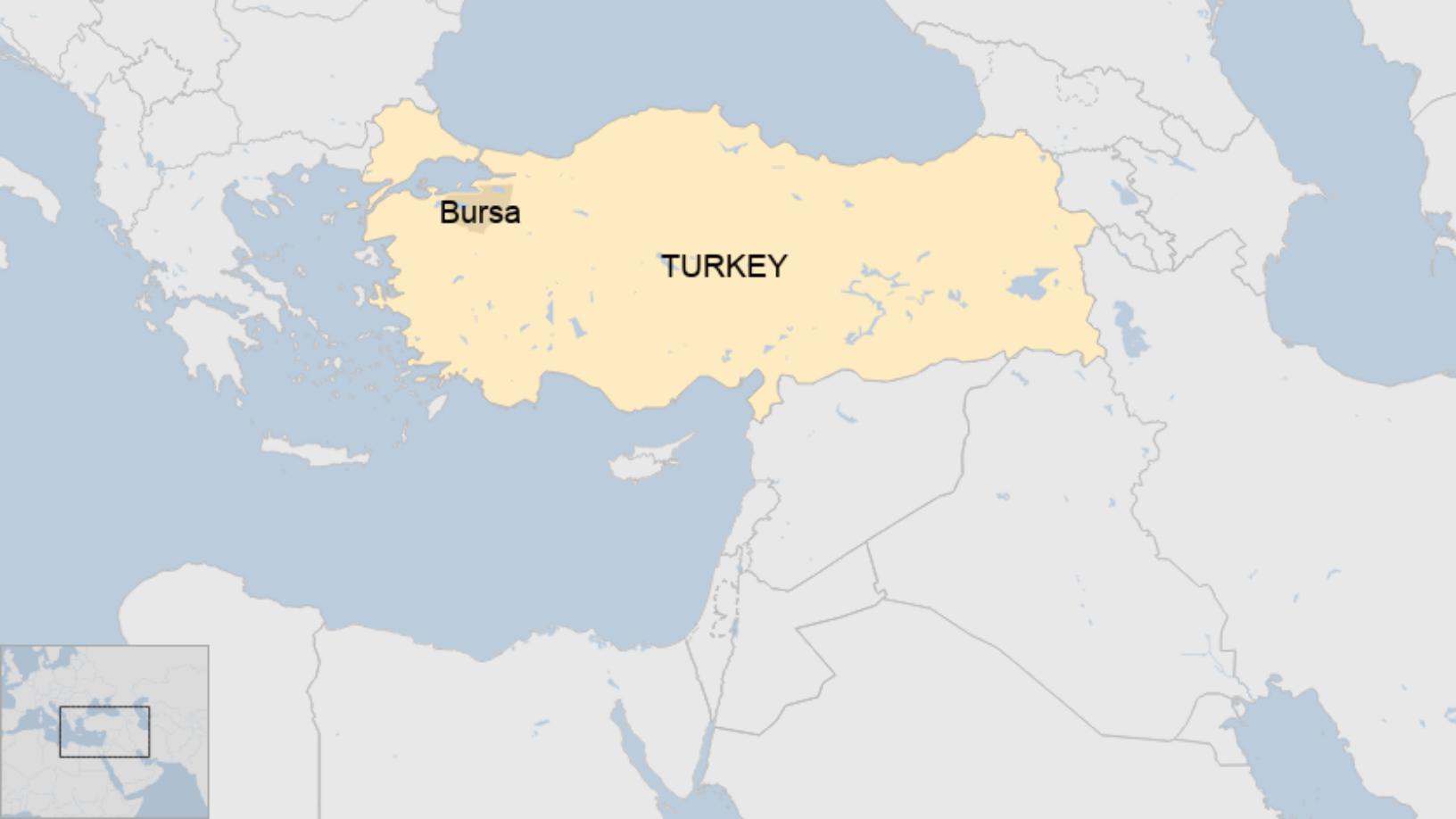

On a Tuesday night in late September 2021, Beyhan Mutlu, fifty, went out drinking with friends in İnegöl, a rural district in Turkey’s Bursa province. At some point he peeled off from the group and walked into the woods around the Çayyaka neighborhood. Hours passed. He did not come home, and the people waiting for him could not reach him by phone.
What happened next would be reported first in Turkish outlets such as NTV and Daily Sabah, then picked up by the BBC, NPR, Metro, Sky News, and the New York Post: the missing man was already in the forest, and when a full search party formed to find him, he walked up and joined it.
The night he disappeared
Mutlu’s friends and his wife grew worried as the night wore on. According to Metro and Turkish reports summarized by the BBC, they treated his absence as serious enough to call the authorities rather than wait until morning. Jandarma gendarmerie units mobilized, along with UMKE and İNDAK search-and-rescue teams. Neighbors and other volunteers spread through the tree line with flashlights, calling into the dark for any sign of the man who had vanished after drinking.
Mutlu, meanwhile, was still in the same general area. NTV’s account, echoed internationally, said he had wandered in the forest while intoxicated and only later stumbled on the operation already underway. He did not recognize, at first, that the crews and shouting volunteers were looking for him. Seeing people in distress, he fell in with the group and helped comb the ground like anyone else who had shown up to assist.
Milliyet later quoted Mutlu saying he walked with the teams for more than half an hour, listening to instructions and scanning the undergrowth beside uniformed rescuers. Nobody in the party seems to have connected the helpful stranger in work boots with the name on the missing-person notice.
“Who are we looking for?”
The confusion broke when searchers began yelling his full name into the woods: Beyhan Mutlu, again and again. Mutlu stopped. He asked who they were trying to find. Then he told them he was right there.
The BBC and NPR, both citing Turkish media, rendered his answer in English as “I am here.” Rescuers did not believe him at first. NTV reported that teams kept searching even after he spoke up. A friend named Mesut finally spotted him in the crowd and the reality of the situation landed all at once—the man everyone had been hunting was the same person who had been helping them hunt.
Police took a statement and drove Mutlu home. The BBC quoted him telling an officer, “Don’t punish me too harshly, officer. My father will kill me.” English-language coverage did not say whether he was fined.
After the story went global
The episode spread under headlines that read almost like satire. The BBC ran “Turkey: ‘Missing’ man joins search party looking for himself” on 30 September 2021. NPR’s Morning Edition used “Missing Man In Turkey Joins Search Party That Was Looking For Him” the same day. Metro published “Turkey: Missing man joins search to find himself” on 29 September. In Turkey, NTV described him as the man who searched for himself (kendini arayan adam), and noted that Sky News and the New York Post carried versions of the same report for international audiences.
Months later, Milliyet published follow-up video of Mutlu. He said he had not followed the viral coverage closely because he was working construction in an area with poor phone reception. He thanked the jandarma and rescue teams for their effort. When asked about his moment of fame, he offered a short line in Turkish—olan oldu, dünya umurumda değil—which outlets translated along the lines of what happened happened, and he did not care what the rest of the world thought about it.
Primary sources
- BBC News — Turkey: 'Missing' man joins search party looking for himself
- NPR — Missing Man In Turkey Joins Search Party That Was Looking For Him
- Metro — Turkey: Missing man joins search to find himself
- NTV — Kendini arayan adam dünya basınında gündem oldu
- Milliyet — Arama-kurtarma ekibiyle kendini arayan Mutlu (video)
For the market frame behind the bottle picks, see The Beer Paradox: Why Canada’s Favorite Brew is American While the ….