
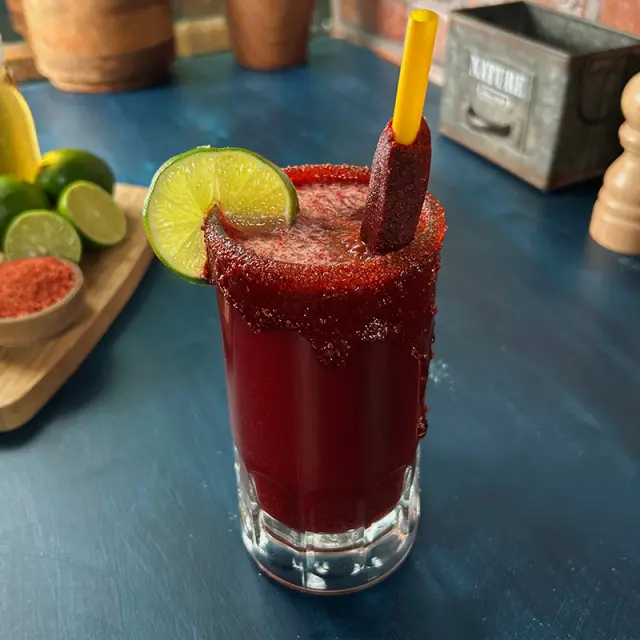
The michelada is one of Mexico's most beloved beer cocktails—a refreshing, savory, and endlessly customizable drink that has crossed borders to become a staple at backyard barbecues, beach bars, and craft beer taprooms across the Carolinas and the United States. Part Bloody Mary, part beer, and entirely its own thing, the michelada delivers a unique combination of tart lime, umami-rich sauces, spicy heat, and cold lager that hits different on a hot summer afternoon. This guide covers everything you need to know: what a michelada is, how to make one at home, regional variations, the best beers to use, and the drink's fascinating history.
What Is a Michelada?
A michelada is a Mexican beer cocktail made with cold beer, fresh lime juice, hot sauce, Worcestershire sauce, and various spices and seasonings, served in a chilled, salt-rimmed glass—often with a chili-powder rim (Tajín) for extra kick. The drink is sometimes called a cerveza preparada (prepared beer) and belongs to a family of Mexican beer cocktails that includes the simpler chelada and the tomato-heavy Ojo Rojo.
The flavor profile is distinctly savory and complex: tart from lime, umami from Worcestershire and Maggi or soy sauce, spicy from hot sauce and chili, and crisp from the beer. Unlike a shandy (beer mixed with lemonade or soda), the michelada leans toward the savory and spicy rather than the sweet. It's often described as a "beer Bloody Mary" or "Mexican Caesar," and many drinkers swear by it as a hangover remedy or the perfect accompaniment to tacos, ceviche, or seafood.
Why the Michelada Stands Out
What sets the michelada apart from other beer cocktails is its balance of five distinct taste elements: sour (lime), salty (rim and sometimes Maggi), umami (Worcestershire, soy, Maggi), spicy (hot sauce, chili), and bitter-crisp (beer). That combination creates a drink that's simultaneously refreshing and satisfying—light enough to sip on a hot day, yet substantial enough to feel like more than "just a beer." The salt rim isn't just decoration; it enhances the perception of flavor and helps balance the acidity of the lime. The savory sauces add depth that you won't find in a simple beer-and-lime combo, making the michelada a drink that rewards attention rather than disappearing in the background.
The History and Origin of the Michelada
The origins of the michelada are debated, but two stories dominate.
The Michel Ésper Story
The most widely cited origin credits Michel Ésper, a civil engineer and member of Club Deportivo Potosino in San Luis Potosí, Mexico. In the 1960s, Ésper began ordering his beer with lime, salt, ice, and a straw in a cup called a chabela, treating it like a beer lemonade (limonada). Other club members started asking for "Michel's lemonade"—Michelada—and the name stuck. Over time, additional sauces and seasonings were added to the original recipe. Ésper has publicly verified details of this account, lending credibility to the story.
The Etymology Theory
An alternative explanation suggests that michelada is a portmanteau of "mi chela helada"—"my ice-cold beer." In Mexican slang, chela means cold beer, and helada means frozen or ice-cold. So mi chela helada literally translates to "my ice-cold beer," which fits the drink perfectly. Both stories are plausible, and the drink's popularity has only grown since the mid-20th century.
Commercialization in the United States
In the 2000s and 2010s, major U.S. beer producers began marketing chelada and michelada-style products. Miller launched Miller Chill in 2007 (a "Chelada-style light lager with a hint of salt and lime"); Anheuser-Busch released Budweiser Chelada and Bud Light Chelada with Clamato, lime, and salt; Tecate introduced a canned michelada; and Grupo Modelo now offers a wide variety of michelada-flavored beers. These products reflect the drink's growing appeal beyond Mexico and Latin American communities.
The Evolution of the Recipe
The michelada didn't emerge fully formed. Early versions were likely little more than beer with lime and salt—essentially a chelada. As the drink spread from San Luis Potosí to other regions, bartenders and home drinkers began experimenting. Worcestershire sauce, with its anchovy-based umami punch, became a natural addition. Maggi seasoning—a liquid seasoning popular in Mexico—added another layer of savory depth. Hot sauce brought heat and vinegar tang. By the 1980s and 1990s, the "full" michelada with multiple sauces had become standard in many parts of Mexico. The addition of Clamato (clam-tomato juice) created the Ojo Rojo and Cubana variations, which are especially popular in coastal regions and the American Southwest.
Michelada vs. Chelada: What's the Difference?
| Aspect | Chelada | Michelada |
|---|---|---|
| Base | Beer + lime + salt | Beer + lime + salt + savory sauces + spices |
| Complexity | Simple, clean, refreshing | Complex, savory, umami-rich |
| Typical Additions | Lime juice, salt rim (sometimes Tajín) | Worcestershire, Maggi/soy sauce, hot sauce, black pepper, optional Clamato/tomato |
| Flavor Profile | Crisp, tart, light | Savory, spicy, tangy, layered |
| Beer Style | Light lagers (Corona, Pacifico) | Light or amber Mexican lagers (Dos Equis, Modelo Negra) |
| Best For | Quick refreshment, minimal fuss | Full flavor experience, pairing with food |
A chelada is the minimalist version—beer, lime, and salt. A michelada builds on that foundation with Worcestershire sauce, hot sauce, Maggi or soy sauce, black pepper, and often tomato juice or Clamato. If you add tomato or Clamato to a michelada, some regions call it an Ojo Rojo (red eye). Other related drinks include Clamato beer (beer + Clamato) and Chamochelas (beer with tropical fruit juices like mango or passion fruit).
How to Make a Michelada: Step-by-Step Recipe
Making a michelada at home is straightforward. Here's a classic recipe that balances tart, savory, and spicy.
Ingredients (per serving)
- 1 (12 oz) bottle or can cold Mexican lager (Corona, Modelo, Tecate, Pacifico, or Dos Equis)
- 1–2 oz fresh lime juice (about 1–2 limes)
- ½–1 tsp Worcestershire sauce
- ½–1 tsp hot sauce (Tabasco, Cholula, Valentina, or Tapatío)
- ¼–½ tsp Maggi seasoning or soy sauce
- Pinch of black pepper
- Salt for the rim
- Chili powder or Tajín for the rim (optional)
- Lime wedge for garnish
- Ice (optional; some purists skip it to preserve carbonation)
Instructions
This report connects to ongoing BevWire coverage in The Beer Paradox: Why Canada’s Favorite Brew is American While the ….
Prepare the glass. Chill a pint glass or a traditional chabela (Mexican beer cup). Rub the rim with a lime wedge, then dip it into a shallow dish of salt—or a mix of salt and chili powder or Tajín for a spicier rim.
Add ice (optional). If you prefer a colder drink, add ice to fill the glass about halfway. Some recipes skip ice to keep the beer from diluting.
Layer the seasonings. Add the lime juice, Worcestershire sauce, hot sauce, Maggi or soy sauce, and black pepper to the bottom of the glass. Stir to combine.
Pour the beer. Gently pour the cold beer down the side of the glass to preserve carbonation. Avoid aggressive pouring, which can cause excessive foam.
Stir gently. Give the drink a light stir with a straw or spoon. Top with a lime wedge and serve immediately.
Pro Tips
- Pre-chill everything. Cold beer and a cold glass make a big difference.
- Use fresh lime juice. Bottled lime juice lacks the brightness of freshly squeezed.
- Adjust to taste. Start with smaller amounts of Worcestershire, hot sauce, and Maggi—you can always add more.
- For a Clamato michelada (Ojo Rojo): Add 2–4 tablespoons of Clamato or tomato juice before pouring the beer. A 1:1 ratio of Clamato to beer is common for a richer, Bloody Mary–like drink.
Recipe Variations: Spicy, Mild, and Ojo Rojo
Spicy Michelada: Double the hot sauce and add a pinch of cayenne or a few drops of habanero sauce. Use Valentina or Tapatío for a more assertive Mexican-style heat. Rim the glass with Tajín mixed with extra chili powder.
Mild Michelada: Skip the hot sauce entirely or use just a drop. Focus on Worcestershire and Maggi for savory depth without heat. Perfect for those who want flavor without the burn.
Ojo Rojo (Red Eye): Add 4–6 oz of Clamato or tomato juice to the bottom of the glass before the beer. Some recipes use a 50/50 beer-to-Clamato ratio for a thicker, Bloody Mary–like drink. Garnish with celery, a lime wedge, and optionally a skewer of shrimp.
Baja-Style: Add 2–3 thin slices of cucumber to the glass. Use Pacifico or another Baja favorite. The cucumber adds a cool, refreshing note that pairs well with beachside vibes.
Ingredient Deep Dive: Building Blocks of the Michelada
Understanding each component helps you customize your perfect michelada:
Worcestershire sauce provides umami, slight sweetness, and a complex fermented flavor. Lea & Perrins is the classic; store brands work fine. A little goes a long way—too much can overwhelm the beer.
Maggi seasoning is a liquid seasoning popular in Mexico and Latin America. It adds a savory, almost meaty depth. If you can't find Maggi, soy sauce is a common substitute, though the flavor profile shifts slightly.
Hot sauce choices matter. Tabasco is vinegary and sharp. Cholula is milder with a garlic-forward profile. Valentina and Tapatío are Mexican staples with more chili flavor and less vinegar. El Yucateco brings serious heat for those who want it.
Tajín is a Mexican seasoning blend of chili, lime, and salt. It's perfect for the rim and adds a tangy, slightly fruity kick. You can find it at most grocery stores and Latin markets.
Fresh lime is non-negotiable. Key limes (Mexican limes) are traditional and slightly more aromatic than Persian limes, but either works. Roll the lime on the counter before juicing to get more yield.
Best Beers for Micheladas
| Beer | Style | Why It Works |
|---|---|---|
| Corona Extra | Light Mexican lager | Neutral, crisp, widely available; lets the mix-ins shine |
| Modelo Especial | Light Mexican lager | Slightly more body than Corona; balanced and refreshing |
| Tecate | Light Mexican lager | Budget-friendly, clean, pairs well with lime and salt |
| Pacifico | Mexican lager | Light, slightly sweet; popular in Baja-style micheladas |
| Dos Equis Lager | Amber Mexican lager | More malt character; good for a richer michelada |
| Modelo Negra | Dark Mexican lager | Amber/dark lager; adds depth and caramel notes |
| Victoria | Mexican lager | Light, smooth; traditional choice in Mexico City |
Light Mexican lagers are the default because they're crisp, low in bitterness, and don't compete with the lime and sauces. Amber or dark Mexican lagers like Dos Equis Ambar or Modelo Negra work well if you want a fuller, maltier base. Avoid highly hoppy IPAs or heavy stouts—they clash with the michelada's flavor profile.
Why Mexican Lager Works Best
Mexican lagers are typically brewed with a portion of corn or rice in the grain bill, which produces a lighter body and cleaner finish than all-malt European lagers. That lightness is ideal for micheladas: the beer acts as a canvas for the lime, sauces, and spices rather than competing with them. The low hop bitterness means the savory and spicy elements come through clearly. American light lagers (Bud Light, Coors Light) can work in a pinch, but they tend to be even thinner and less flavorful. If you're feeling adventurous, a light American craft lager or pilsner can work—just avoid anything with prominent citrus or tropical hop notes, which can clash with the lime.
Regional Variations
Michelada recipes vary by region in Mexico and across Latin America. Understanding these differences helps you appreciate the drink's diversity and replicate the style you prefer.
Mexico City (CDMX)
The capital's version tends to be simpler and more restrained. Beer, lime, salt, and a specific hot sauce or fresh chile slices (often serrano) are the core. Maggi and Worcestershire may or may not appear. The focus is on clean, bright flavors rather than a complex layering of sauces. Victoria is a popular beer choice here. If you order a michelada in a Mexico City cantina, don't be surprised if it arrives with minimal adornment—the city favors elegance over excess.
Baja California
Baja-style micheladas are often the most elaborate. Clamato is common, as are cucumber slices, which add a cool, refreshing counterpoint to the spice. The rim might be loaded with Tajín, chili powder, and sometimes chamoy. Pacifico is the beer of choice in Baja, and the drink is a staple at beachside bars in Ensenada, Tijuana, and Rosarito. This is the style most Americans encounter at Mexican restaurants in California and the Southwest.
Central Mexico (San Luis Potosí, Guanajuato, Querétaro)
This is michelada heartland—where the drink arguably originated. The full build is common: Worcestershire, Maggi, hot sauce, black pepper, and Tajín on the rim. The result is savory, umami-rich, and complex. Amber lagers like Dos Equis or Modelo Negra are sometimes preferred for their malt character. If you want the "classic" michelada experience, the Central Mexican style is your reference point.
Ojo Rojo (Red Eye)
Ojo Rojo is a michelada with tomato juice or Clamato added. The name means "red eye" and refers to the drink's reddish color. It's closer to a beer-based Bloody Mary or Canadian Caesar. Common in coastal regions and the American Southwest. The tomato/Clamato adds body and a different kind of savoriness. Garnishes often include celery, lime, and sometimes olives or pickled vegetables.
Chamochela
A sweeter, fruit-forward variation. Chamoy is a Mexican condiment made from pickled fruit (often apricot or plum) with chili and lime—sweet, sour, and spicy. Chamochelas combine beer with chamoy and sometimes mango, tamarind, or passion fruit juice. Popular with those who want a michelada-adjacent drink that leans tropical rather than savory. Often served with a tamarind straw or fruit garnish.
Cubana / Cubana-Style
The Cubana takes the Ojo Rojo concept further. Clamato is standard, and the drink is often garnished with shrimp, cucumber, and sometimes oysters or other seafood. It's a meal in a glass—hearty, briny, and perfect for beach or poolside. The name references Cuban influences on Mexican coastal cuisine, though the drink is firmly Mexican in origin.
When to Serve a Michelada
Micheladas are ideal for:
- Brunch — A lighter alternative to a Bloody Mary. The lower alcohol content (compared to a vodka Bloody Mary) and savory profile make it a great daytime option.
- Hot weather — Refreshing and hydrating (in moderation). The cold beer, lime, and salt hit differently when it's 95 degrees outside.
- Tacos, ceviche, and seafood — The lime and spice complement fish and shellfish. A michelada with fish tacos or shrimp ceviche is a classic pairing.
- Game day — A crowd-pleasing beer cocktail for tailgates and watch parties. Easy to batch for a group.
- Recovery — Many swear by micheladas as a hangover remedy. The salt helps with electrolyte replenishment, the lime provides vitamin C, and the savory elements can settle a queasy stomach. Whether it's science or placebo, the tradition is strong.
Food Pairings: What to Eat With a Michelada
The michelada's savory, spicy, and tart profile pairs exceptionally well with a wide range of foods. Here are the best matches:
Seafood: Ceviche, fish tacos, shrimp cocktail, grilled fish, and oysters are natural partners. The lime and spice in the drink mirror the flavors often used in seafood preparation. The briny quality of Clamato-based micheladas especially complements shellfish.
Tacos: Whether it's al pastor, carnitas, fish, or lengua, tacos and micheladas are a match made in heaven. The drink cuts through the richness of fatty meats and stands up to salsa and lime.
Chips and salsa / guacamole: The salt rim and lime in the michelada echo the salt and citrus in your snacks. The heat from the drink plays nicely with spicy salsas.
Grilled meats: Carne asada, chicken, and even burgers benefit from the michelada's acidity and spice. Think of it as a more interesting alternative to a standard beer at a cookout.
Avoid: Very sweet dishes can clash with the savory michelada. Delicate, subtle flavors might get lost. Save the michelada for bold, flavorful food.
Glassware and Presentation
Traditionally, micheladas are served in a chabela—a short, wide Mexican beer cup, often made of glass or plastic. The wide mouth makes it easy to get the salt rim with every sip. A standard pint glass (16 oz) works well and is what most American bars use. A 20-oz Mexican beer mug is another option if you want a larger pour. Avoid narrow-mouthed glasses; the salt rim is part of the experience, and you want to taste it with each sip. Chill the glass in the freezer for 10–15 minutes before serving for maximum refreshment. Some purists skip the straw and drink directly from the rim to control the salt-to-sip ratio.
Common Mistakes to Avoid
Using warm beer or a warm glass: A michelada should be ice-cold. Warm beer with lime and hot sauce is unappealing. Always chill your beer and glass.
Overdoing the sauces: Start light. A michelada should taste like enhanced beer, not like drinking Worcestershire sauce. You can always add more; you can't take it out.
Skipping the salt rim: The rim isn't optional. It's integral to the flavor balance. At minimum, use salt. Tajín or a salt-chili mix is even better.
Pouring the beer too aggressively: Pour down the side of the glass to preserve carbonation. A violent pour creates excess foam and flattens the beer.
Using bottled lime juice: Fresh lime makes a huge difference. The bottled stuff tastes flat and artificial in comparison.
Make-Ahead Michelada Mix
If you're hosting a party, you can prep a michelada mix in advance. Combine lime juice, Worcestershire sauce, hot sauce, Maggi, and black pepper in a pitcher or bottle. Refrigerate. When ready to serve, rim the glasses, add ice, pour 2–3 oz of mix per glass, then top with cold beer. The mix will keep for a day or two in the fridge. Don't add the beer until just before serving—carbonation and freshness matter.
Michelada Culture in the Carolinas
The michelada has found a home in the Carolinas. Charlotte, Raleigh, Asheville, and coastal towns from Wilmington to Charleston have embraced the drink. Mexican restaurants and taquerias routinely offer micheladas on the menu, often with house-made mixes. Craft breweries and taprooms sometimes feature michelada specials—pairing local lagers with custom spice blends. The region's love of outdoor dining, tailgating, and beach culture makes the michelada a natural fit. Whether you're at a Charlotte Panthers tailgate, a Raleigh food truck rally, or a Wilmington waterfront bar, you're likely to find someone sipping a michelada. It's become part of the Southern beer landscape alongside IPAs, pilsners, and classic lagers.
Non-Alcoholic Michelada Option
You can make a convincing non-alcoholic michelada using non-alcoholic beer. Brands like Heineken 0.0, Athletic Brewing's Run Wild, and Corona Sunbrew 0.0% work well. Prepare the drink exactly as you would with regular beer—rim the glass, add lime and sauces, then pour the NA beer. The result is refreshing and flavorful, with the same savory-spicy-tart profile. It's a great option for designated drivers, those cutting back, or anyone who wants the michelada experience without the alcohol. The NA beer base is important; substituting soda or juice changes the drink entirely.
Canned Micheladas: Are They Worth It?
Major breweries now sell pre-mixed canned micheladas and cheladas. Budweiser Chelada, Modelo Chelada, Tecate Michelada, and others offer convenience, but quality varies. Homemade micheladas typically deliver fresher lime, better balance, and more control over heat and salt. If you're in a pinch, canned options can work—but for a true michelada experience, mixing your own is hard to beat. Some canned versions skew too sweet or too salty; others lack the complexity of a freshly made drink. If you do go canned, chill thoroughly and pour into a salt-rimmed glass for a better experience than drinking straight from the can.
Summary
The michelada is a Mexican beer cocktail that combines cold lager with lime, salt, Worcestershire sauce, hot sauce, and optional Clamato or tomato juice. Its origins trace to 1960s San Luis Potosí or the slang phrase "mi chela helada." Simpler than a michelada, the chelada is just beer, lime, and salt. To make a michelada at home, rim a chilled glass with salt and chili, add lime juice and savory sauces, then pour in a cold Mexican lager. Use Corona, Modelo, Tecate, or Pacifico for best results. Regional variations include Ojo Rojo (with tomato/Clamato), Chamochela (with chamoy and fruit), and Baja-style versions with cucumber and Clamato. The drink pairs beautifully with seafood, tacos, and grilled meats. Avoid common mistakes like warm beer, overdoing the sauces, or skipping the salt rim. You can batch a make-ahead mix for parties or opt for a non-alcoholic version with NA beer. Whether you're at a Carolina taproom or your own backyard, the michelada is a refreshing, savory beer cocktail worth mastering.